
The Role of AI Language Apps in Professional Skill Development
Last updated on
Editorial owner: Grzegorz Markowski · Editorial policy
Takeaways:
- Uncover how communication gaps quietly cost companies billions each year – and why strengthening workplace communication is now a critical professional skill.
- Recognize the hidden limitations of traditional language training that often leave professionals unprepared for real workplace conversations.
- Explore how AI language apps create practical speaking opportunities that mirror meetings, presentations, and daily professional interactions.
- Refine your understanding of how consistent speaking practice builds clarity, vocabulary, confidence, and adaptability in professional communication.
- Reframe language learning as an ongoing career skill, with AI-powered learning tools supporting long-term communication skill development.
Did you know? According to Pumble’s report, poor communication is more costly than many companies realize.
They noticed that recent estimates indicate organizations can lose between $9,000 and $30,000 per employee each year due to ineffective communication.
Altogether, businesses, i.e., in the United States, may be losing more than $2 trillion annually – highlighting how critical strong workplace communication has become.
You’ve probably experienced moments where professional language skills directly affect how others see your competence.
For many professionals, these situations feel significantly familiar:
- Struggling to clearly explain an idea during a team meeting.
- Feeling hesitant when speaking up in a cross-department discussion.
- Searching for the right words during a presentation to clients or leadership.
- Finding it difficult to respond confidently in spontaneous workplace conversations.
These experiences explain why professionals are turning to AI language apps and AI-powered learning tools to strengthen communication skill development.
With structured AI-powered language training platform? Individuals can practice speaking or refine clarity and/or improve confidence in everyday professional interactions.
When Traditional Language Training Doesn’t Match Workplace Reality
Many professionals, if not businesses, discover that traditional language courses rarely reflect the communication situations they actually encounter at work.
One-Size-Fits-All Programs Ignore Workplace Communication Differences
You may recognize this pattern if your company assigns a standardized language program such as corporate English courses aligned with the Common European Framework of Reference (CEFR).
These programs typically follow the same curriculum for every learner regardless of job function.
A sales manager or software developer and/or HR specialist may complete identical exercises even though their daily workplace communication needs differ significantly.
Yes, we will not discredit its benefits and its purpose, but each learner has a different learning mechanism.
When training does not reflect real job scenarios…improving professional language skills becomes disconnected from the conversations professionals actually handle.
Limited Opportunities for “Real Speaking Practice”
Having to complete a structured language course – feeling confident about grammar – but still unsure when speaking during meetings?
Well, a study in the International Journal of Multicultural and Multireligious Understanding examined speaking instruction in language learning – finding out that many learners struggle to speak because they are rarely exposed to structured speaking activities during training.
The study observed that students (and adults who struggle with this) often rely on reading text to communicate ideas rather than practicing real conversations.
It also reported that learners frequently lack strategies for responding naturally in discussions.
Because of this, many participants reported lower confidence when speaking even after completing formal language lessons.
Additionally, an article from the University of Florida also suggests that unclear language (e.g., heavy workplace jargon) can make messages harder to process and reduce employees’ confidence when responding with corporate language.
When professionals feel doubtful about what to say or how to respond…they may hesitate to ask questions or contribute to discussions.
Communication skill development in professional settings often progresses slowly, despite hours spent studying language rules, due to a lack of frequent speaking practice.
Time, Cost, and Access Constraints for Working Professionals
Traditional training programs often clash with the realities of a professional schedule and making consistent learning difficult.
Common barriers include:
- Time Constraints – Fixed evening or weekend classes can easily overlap with meetings or project deadlines and/or business travel – making it difficult to attend sessions regularly.
- Cost Barriers – Professional language programs (such as corporate training workshops or private tutoring packages) can cost hundreds to thousands of dollars per course…which limits access for many employees seeking to improve their professional language skills.
- Access Limitations – Professionals working remotely across different time zones or in smaller regional offices may struggle to attend in-person classes – reducing opportunities to practice workplace communication consistently.
Because of these limitations, many professionals find it difficult to maintain regular progress in strengthening their professional language skills through traditional training alone.
How AI Language Apps Support Skill Development
Skill development becomes more effective when language practice reflects the real communication situations professionals experience at work.
- Start Practice Workplace Conversations on Demand
Realistic conversation practice helps build stronger professional language skills for everyday work interactions.
- Select workplace scenarios in AI language apps – such as team meetings or project briefings and/or client calls.
- Practice explaining ideas clearly as if presenting updates to colleagues. Repeat scenarios with alternative phrasing to expand flexibility in workplace communication. Respond to simulated conversations or follow-up questions similar to those asked in meetings.
- Review recordings to identify areas that support stronger development of communication skills.
- Build Familiarity with Professional Language Through Repetition
Consistent exposure to workplace language helps professionals internalize communication patterns used in daily tasks.
- Engage actively and proactively in short daily conversations using AI-powered learning tools.
- Practice introducing ideas or summarizing reports and/or clarifying project updates.
- Repeat expressions commonly used in workplace communication…such as confirming deadlines or discussing progress.
- Expand vocabulary related to specific industries or professional roles.
- Continue structured AI language training sessions to reinforce communication patterns.
- Use Feedback to Gradually Improve Communication Skills
Structured feedback helps professionals refine clarity, pronunciation, and delivery over time.
- Review pronunciation insights provided by AI language apps.
- Identify areas where pacing or wording affects clarity.
- Repeat responses while applying the system’s feedback.
- Track improvements across practice sessions to strengthen communication skill development.
- Apply these improvements during real workplace communication situations.
Consistent practice through different AI platforms can gradually transform everyday communication habits into stronger professional language skills that support long-term career development.
Professional Skills Strengthened Through AI Language Practice
Focused speaking practice helps professionals strengthen several communication abilities that influence everyday workplace performance.
Spoken Clarity and Pronunciation
- Regular speaking sessions using AI language apps help refine pronunciation and sentence clarity.
- Practicing spoken responses trains professionals to deliver messages more clearly during conversations.
- Structured AI language training sessions allow repeated pronunciation practice across different workplace scenarios.
- Improved articulation strengthens workplace communication – making spoken ideas easier for colleagues to understand.
Vocabulary Usage in Professional Contexts
- Exposure to real workplace topics helps expand vocabulary relevant to professional tasks.
- Practice conversations introduce terminology used during meetings, updates, and collaborative discussions.
- Using AI-powered learning tools helps reinforce vocabulary connected to specific professional roles.
- Over time, a stronger vocabulary supports more effective development of communication skills in everyday conversations.
Confidence in Meetings, Presentations, and Discussions
- Frequent speaking practice gradually builds confidence when contributing to workplace conversations.
- Simulated discussions allow professionals to rehearse responses before real meetings occur.
- Repeated exposure to speaking situations strengthens professional language skills in collaborative environments.
- As confidence grows, participation in discussions becomes more natural during daily workplace communication.
Adaptability Across Communication Styles
- Workplace communication often requires adjusting language depending on the audience or situation.
- Practice scenarios in AI language apps expose learners to different conversational contexts.
- Professionals learn to adjust tone when speaking with colleagues, clients, or leadership teams.
- This flexibility strengthens professional language skills and supports clearer communication across departments.
Consistent practice helps professionals strengthen clarity, vocabulary, confidence, and adaptability in communication.
Sustaining Professional Communication Growth Through Practice and Responsible AI Use
Professional communication improves steadily when regular practice is combined with thoughtful use of AI language apps alongside real human interaction.
| Focus Area | Practical Guidance | Professional Impact |
| Repetition and Feedback | Regular sessions with AI-powered learning tools allow repeated speaking practice while reviewing pronunciation and phrasing feedback. | Continuous feedback strengthens communication skill development and gradually improves spoken clarity. |
| Low-Pressure Practice | Practicing conversations privately through AI language training helps refine responses before real meetings occur. | Reduced pressure encourages experimentation and improves workplace communication confidence. |
| Building Long-Term Habits | Scheduling short daily speaking sessions supports steady improvement of professional language skills. | Consistent routines reinforce stronger communication patterns across professional interactions. |
| Human Interaction Matters | Complex discussions such as negotiations or conflict resolution still benefit from human feedback and mentorship. | Combining real conversations with AI language apps strengthens practical communication judgment. |
| AI as a Support Tool | Using AI alongside coaching, peer discussions, or workplace collaboration provides balanced learning experiences. | Blended practice supports sustainable growth in professional language skills over time. |
Bottomline
Strong communication remains one of the most valuable professional abilities across industries.
This article explored how AI language apps help strengthen professional language skills that improve workplace communication and support ongoing communication skill development through practical speaking practice.
Regular exposure to realistic conversations or structured feedback and/or consistent training can gradually improve
- clarity,
- vocabulary,
- grammar,
- pronunciation,
- and confidence in professional discussions.
Because learning does not stop after formal education…language development often continues throughout a career.
Tools such as Talkio AI provide accessible AI language training, allowing professionals to practice communication regularly and strengthen the speaking habits that support long-term professional growth.
Curious About Practicing with Talkio?
Talkio offers realistic conversation practice designed to improve speaking confidence and everyday workplace communication.
Sign Up For Free and start exploring guided language practice today.
Looking for a Practical Gift for a Language Learner?
Visit the Talkio Gift Card Page to share a subscription that supports ongoing communication skill development and professional language learning.
Talk Your Way
to Fluency
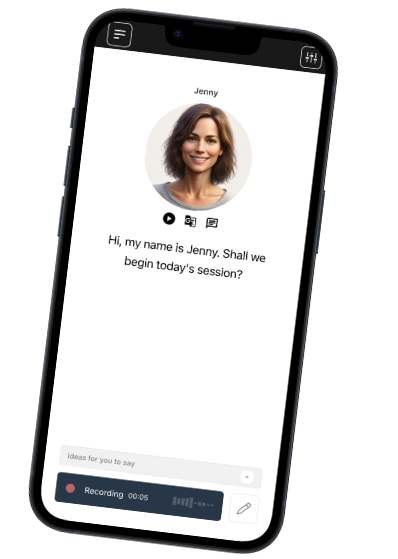
Talkio is the ultimate language training app that uses AI technology to help you improve your oral language skills!
Try Talkio