How to Learn a Heritage Language and Reconnect With Family
Last updated on
Editorial owner: Taylor Freeman · Editorial policy
Learning a heritage language can carry more emotion than learning an unrelated language. You may understand family speech but struggle to answer, speak one home variety but not the written standard, or feel that relatives expect more than your current level. A good plan respects that identity while turning family communication into small, achievable language goals.
Start with one family connection goal
- Choose a concrete outcome, such as calling a grandparent or following a family story.
- Collect phrases from relatives with their pronunciation, situation, and personal meaning.
- Practise the conversation privately before trying it with family members.
- Decide separately whether reading and writing the standard language are important to your goals.
What Is Heritage Language Learning?
Heritage language learners are not beginners in the traditional sense. They grew up hearing Tagalog at the dinner table, catching fragments of Arabic from their parents’ phone calls, or understanding their abuela’s Spanish without ever learning to form a sentence themselves. They exist in a linguistic in-between: comprehension without production, understanding without fluency.
This makes heritage learners fundamentally different from someone picking up a language from scratch. A beginner learning Mandarin needs vocabulary, tones, and grammar rules. A heritage Mandarin speaker already has the sounds in their ear and dozens of household phrases in their passive memory. What they lack is the ability to activate that knowledge, to move it from recognition to speech.
Traditional language courses were not built for this. A heritage Spanish speaker forced to conjugate “ser” and “estar” in a 101 class is not just bored, they are having their time wasted. The grammar drills, vocabulary flashcards, and fill-in-the-blank exercises that dominate most language apps ignore what heritage learners already carry and fail to address what they actually need: structured conversation practice.
The Cultural Stakes Are Higher Than You Think
Language is not just communication. For heritage learners, it is identity. Research published in the Journal of Language, Identity, and Education consistently shows that heritage language proficiency is tied to stronger family bonds, higher self-esteem, and a more secure sense of cultural belonging.
The flip side is also well-documented. When the language goes, something intangible goes with it. Second-generation immigrants who lose their heritage language report feeling disconnected from extended family, unable to fully participate in cultural traditions, and caught between two worlds without fully belonging to either.
This is not abstract. It is the Korean-American who cannot read the letters her grandmother sends. The Mexican-American who switches to English mid-sentence because the subjunctive tense was never formally taught. The Vietnamese-American who understands his mother perfectly but answers in English because forming Vietnamese sentences feels clumsy and exposed.
The emotional weight of this loss is precisely what is driving the heritage language revival. And the timing could not be better.
Why AI Conversation Practice Changes Everything for Heritage Learners
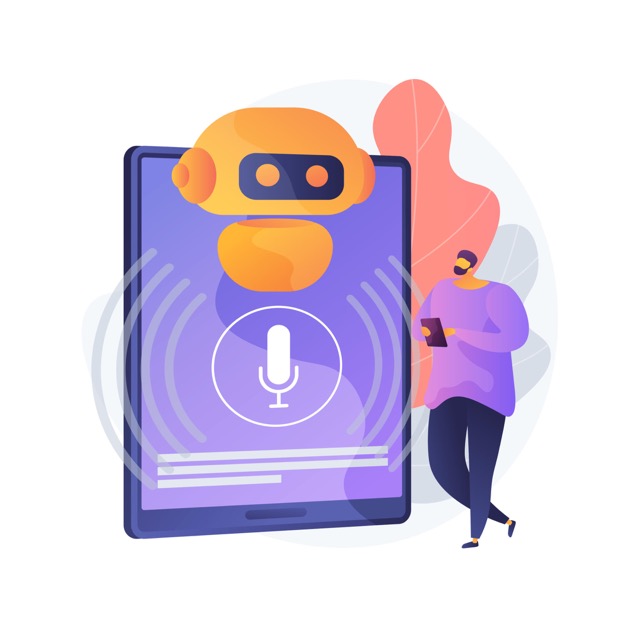
Heritage learners have a superpower that traditional beginners lack: passive fluency. They already know how the language sounds. They recognize vocabulary, understand context, and can follow natural speech patterns. The missing piece is active speaking practice, and this is where AI conversation tools have created a breakthrough.
Unlike textbooks or flashcard apps, AI conversation partners let heritage learners do the one thing they need most: talk. Not recite. Not translate. Actually hold a conversation in their heritage language, make mistakes, get corrected, and try again without the anxiety of disappointing a family member or the awkwardness of a classroom setting.
This matters because heritage language learners often carry a specific kind of shame. They feel they should already know this language. Speaking poorly in front of family feels like failure. Speaking poorly in front of strangers feels pointless. An AI partner removes that emotional barrier entirely. There is no judgment, no impatience, just practice.
The technology has reached a point where these conversations feel natural enough to be useful. Modern AI can handle the dialect variations that heritage speakers actually encounter, the informal registers that textbooks ignore, and the cultural context that makes language feel alive rather than academic.
The Science Behind Why This Works
Neurolinguists distinguish between two types of language knowledge: declarative (facts you can state, like grammar rules) and procedural (skills you perform automatically, like forming sentences in real time). Heritage learners typically have strong procedural foundations, the sounds and rhythms are already wired in, but weak declarative scaffolding.
This is actually good news. Research by linguist Maria Polinsky shows that heritage speakers can reactivate dormant language abilities far faster than new learners can build them. The neural pathways exist. They just need traffic.
Conversation practice provides exactly that traffic. Every time a heritage learner forms a sentence, retrieves a word from passive memory, or self-corrects mid-thought, they are strengthening those dormant pathways. The key is volume and consistency, not perfection. Twenty minutes of daily conversation practice does more for a heritage learner than twenty hours of grammar study.
This aligns with Stephen Krashen’s comprehensible output hypothesis, which argues that language acquisition accelerates when learners are pushed to produce language just beyond their current comfort zone. Heritage learners are uniquely positioned for this because their comprehension already outpaces their production.
This is why AI conversation tools are so well-suited to heritage learners. They provide unlimited, low-pressure repetitions at whatever pace the learner needs. A heritage Cantonese speaker can practice ordering dim sum one day and discussing family plans the next, building practical fluency in the exact contexts where they need it most.
How to Start Reclaiming Your Heritage Language
If you are a heritage learner ready to reconnect with your family’s language, here is what the research and real-world experience suggest:
Skip the beginner courses. You are not a beginner. Your ears have been training for decades. Find tools and methods that let you start at conversation level, not alphabet level.
Prioritize speaking over studying. Your bottleneck is production, not comprehension. Every minute you spend speaking is worth ten minutes spent reviewing vocabulary you already passively know.
Embrace imperfection. You will mix languages. You will use the wrong register. You will sound like a child for a while. This is normal and temporary. The only way through it is through it.
Connect practice to real life. Practice the conversations you actually want to have. Calling your grandmother. Ordering at the restaurant your family frequents. Understanding the jokes at the next reunion. Practical relevance keeps motivation alive.
Use AI conversation partners for daily practice. They fill the gap between “I should practice more” and actually doing it. No scheduling, no awkwardness, no shame. Just the reps your brain needs to turn passive knowledge into active fluency. The American Council on the Teaching of Foreign Languages (ACTFL) emphasizes that meaningful interaction is the cornerstone of language acquisition, and AI tools now make that interaction available on demand.
The Bigger Picture
The heritage language revival is not just a personal journey. It is a cultural reclamation. Every second-generation speaker who reclaims their family’s language preserves something that assimilation pressures have been eroding for generations.
Linguists estimate that a language dies every two weeks. Heritage speakers are a critical link in keeping languages alive, not in academic archives, but in kitchens and living rooms where language actually lives.
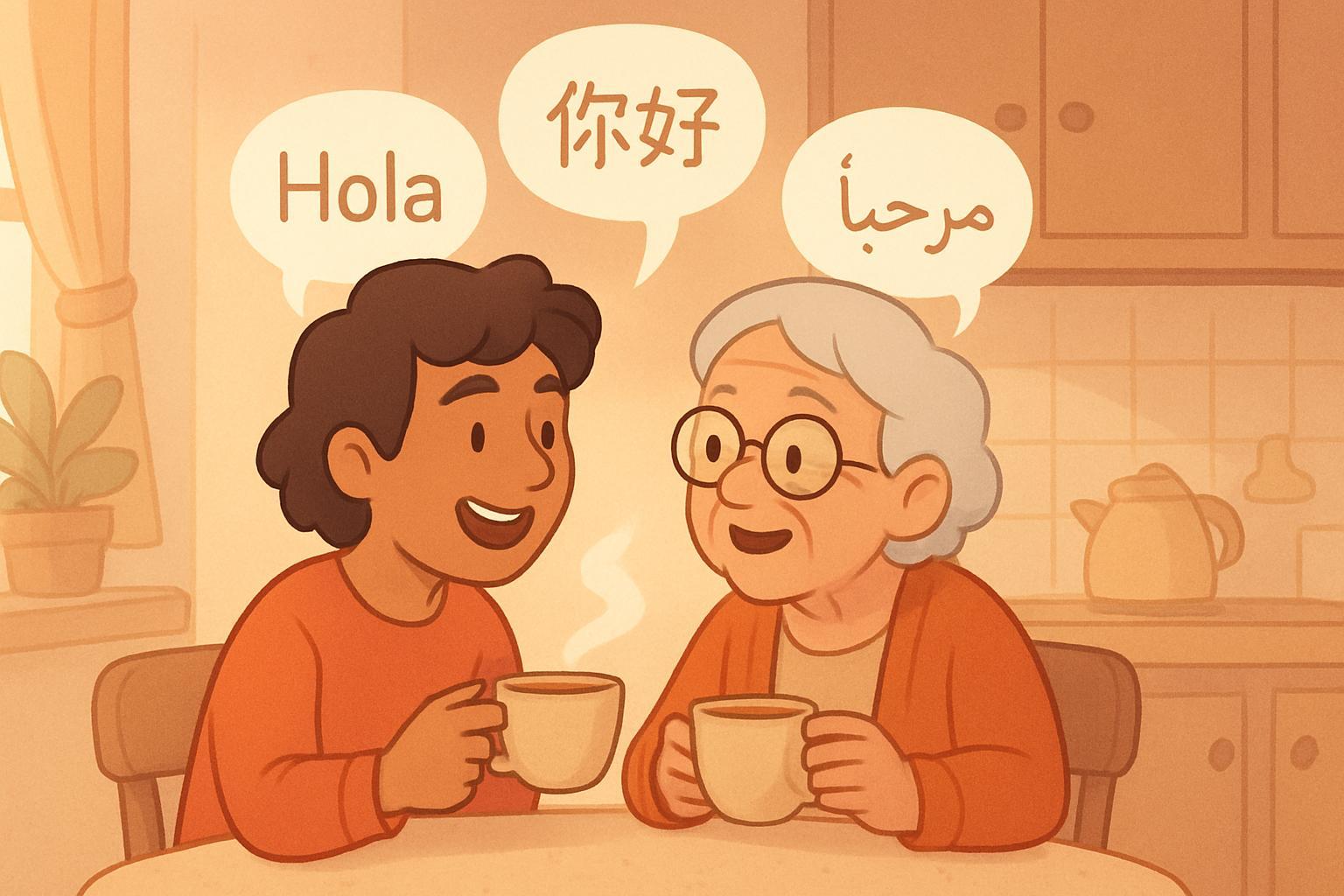
The tools to do this have never been more accessible. AI conversation partners, combined with the passive knowledge heritage learners already carry, create a path to fluency that previous generations simply did not have. The grandmother who thought she would never hear her grandchild respond in her native tongue might be in for a surprise.
The language was never truly lost. It was waiting.
Talk Your Way
to Fluency
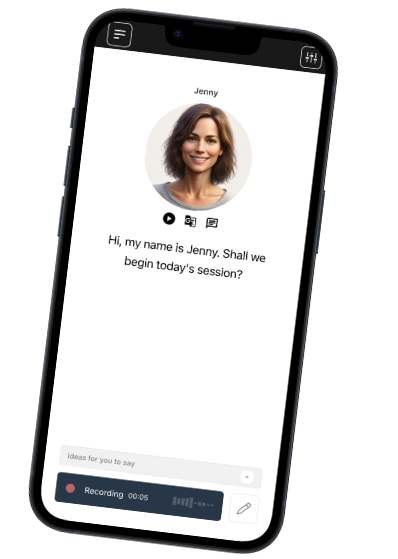
Talkio is the ultimate language training app that uses AI technology to help you improve your oral language skills!
Try Talkio