Can Learning a Language Help Delay Dementia? The Science Is Encouraging
Last updated on
Editorial owner: Kier Lee Zamora · Editorial policy
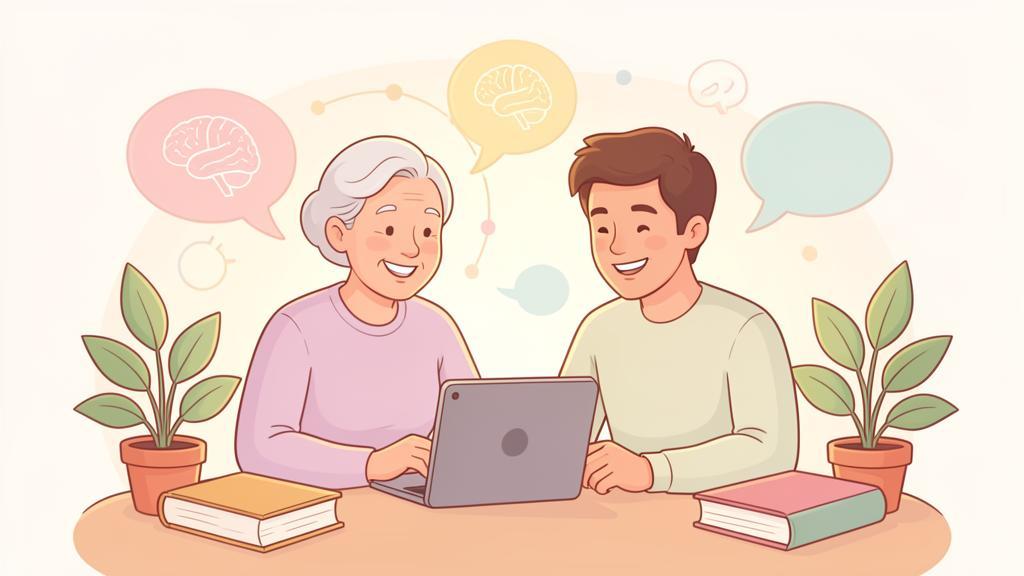
If you have ever wanted a reason to start learning a language beyond travel, work, or ordering coffee without panic, this is a good one: language learning may be one of the most enjoyable ways to keep your brain active as you age.
The research is not saying that speaking two languages magically prevents dementia. That would be too simple. But it does point to something encouraging: bilingual people often show symptoms of dementia later than people who speak one language. Several studies and meta-analyses have found a delay of around three to five years in the age when symptoms appear or a diagnosis is made.
That is a meaningful result. Not because language learning is medicine, but because it gives us one more practical, human thing we can do to build a richer, more resilient mind.
What the research says
A 2020 meta-analysis in Psychonomic Bulletin & Review found a moderate protective effect of bilingualism on the age when Alzheimer’s symptoms first appear. The same paper found weaker evidence that bilingualism reduces the actual chance of getting the disease. In plain English: bilingualism seems more likely to delay visible symptoms than to stop dementia from developing in the first place.
Another systematic review found a similar pattern. Bilingual people were diagnosed with dementia about 3.3 years later, and Alzheimer’s symptoms appeared about 4.7 years later in the studies they analyzed. A 2026 Bayesian meta-analysis reported that bilingual people were, on average, 3.45 years older when dementia symptoms began.
There is a caveat. Prospective studies, which follow people over time, have not consistently shown that bilingualism lowers dementia risk. That matters. It means we should be careful with big claims. The best evidence points toward delay and resilience, not prevention.
Still, delay matters. Extra years of independence, conversation, memory, travel, family stories, jokes, recipes, and everyday life matter.
Why languages may help the brain
Using another language is not a passive activity. Your brain has to choose words, listen closely, switch between meanings, manage grammar, remember context, and sometimes stop the wrong language from jumping in.
That constant mental juggling may contribute to what researchers call cognitive reserve. Cognitive reserve is the brain’s ability to cope with age related changes or disease before symptoms become obvious. Two people may have similar changes in the brain, but one person may function better for longer because their brain has built more flexible routes for solving problems.
Language practice fits this idea well. It asks you to pay attention, retrieve memories, make decisions quickly, and respond to another person. It is mental exercise, but it does not have to feel like a worksheet.
That is one reason speaking practice is so powerful. Reading vocabulary lists can help, but conversation asks for more. You have to react. You have to listen. You have to produce language before you feel completely ready. That effort is where a lot of the growth happens.
What about learning a new language later in life?
This is the part people often get wrong. You do not need to have grown up bilingual to benefit from language learning.
Research on adults learning a new language later in life is still younger and smaller than the research on lifelong bilingualism. But the early signs are promising. One randomized study found that older adults who did foreign language training improved their overall cognitive abilities, and the benefits were still visible three months later. Another trial found that language learning did not improve every cognitive measure for everyone, but people with lower baseline cognition improved more on response inhibition.
That is a good reminder: the benefit may not look the same for every person. Some people may notice sharper listening. Others may feel more confident speaking. Others may simply enjoy having a reason to keep showing up and learning something new.
And enjoyment counts. A habit you actually like is far more useful than a perfect routine you quit after two weeks.
Why speaking matters more than passive study
Many learners spend years reading, watching videos, and reviewing flashcards, then freeze when it is time to speak. That is normal. Understanding a language and using it in conversation are related skills, but they are not the same skill.
We have written about this before in our post on why you can read a language but still cannot speak it. The gap closes when you start producing language regularly.
For brain health, that production may be especially useful. Conversation combines memory, attention, sound processing, social meaning, and quick decision making. Even a simple roleplay can wake up a lot of systems at once.
If you already use shadowing, try turning it into a speaking loop. Listen, repeat, answer, then change the sentence to make it your own. Our guide to the 15-minute speaking loop is a good place to start.
A positive way to think about dementia prevention
Dementia prevention advice can feel heavy. Exercise more. Sleep better. Eat better. Manage stress. Stay social. All of that is useful, but it can also sound like homework from your future doctor.
Language learning is different. It gives you a new voice. It opens music, films, food, travel, friendships, and tiny moments of pride. You learn how another culture thinks. You get to say something today that you could not say last month.
That positive emotion is part of why language learning can stick. You are not only protecting your brain from something. You are giving it something interesting to do.
If you are older, it is not too late. If you are younger, it is not too early. If you already speak more than one language, keep using them. If you are starting from zero, start small and make it social.
How to start in a brain-friendly way
You do not need a huge plan. Try this for ten to fifteen minutes a day:
- Learn five useful phrases you would actually say.
- Say them out loud, not just in your head.
- Use one short conversation prompt, such as ordering food, introducing yourself, or talking about your weekend.
- Repeat the same topic a few times until it feels easier.
- Add one new detail each time.
The goal is not perfection. The goal is useful effort. Your brain benefits from the attempt, the correction, the retrieval, and the next attempt.
Tools like Talkio can help because they make speaking practice available whenever you have time. You can practice a realistic conversation without waiting for a class, finding a partner, or feeling embarrassed. If you want feedback while you speak, our post on real-time correction in speaking practice explains why gentle interruption can actually help you improve faster.
You can also use code-switching and mixed language moments as part of practice instead of seeing them as mistakes. Bilingual people switch between languages all the time, and learners can practice that flexibility too. We covered this in our guide to code-switching.
The takeaway
Learning a language will not guarantee that you avoid dementia. No honest article should promise that.
But the evidence gives us a hopeful message: using more than one language may help the brain stay resilient, and bilingual people often experience dementia symptoms later. Even if future research refines the size of the effect, language learning already offers something valuable today. It keeps you curious. It gets you speaking. It connects you with people. It gives your brain a daily reason to work in a new way.
That is more than enough reason to begin.
Sources
- Does bilingualism protect against dementia? A meta-analysis
- Bilingualism is associated with a delayed onset of dementia but not with a lower risk of developing it
- The relationship of bilingualism compared to monolingualism to the risk of cognitive decline or dementia
- Language training leads to global cognitive improvement in older adults
- Foreign language learning can improve response inhibition in individuals with lower baseline cognition
Talk Your Way
to Fluency
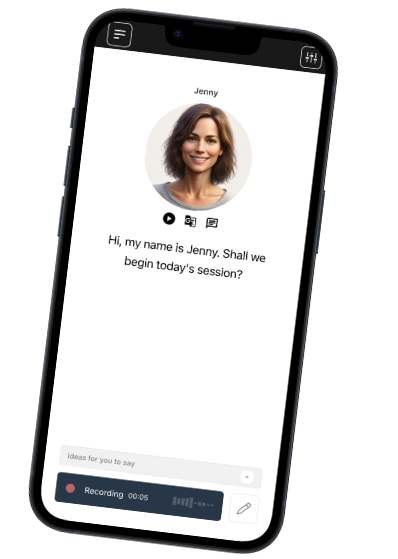
Talkio is the ultimate language training app that uses AI technology to help you improve your oral language skills!
Try Talkio